


How do winter replacement windows improve thermal insulation and reduce heating bills in California homes?
Winter replacement windows utilize microscopic Low-Emissivity (Low-E) silver coatings on double-pane glass, argon gas insulating fills, and warm-edge spacer technology to reflect up to 90% of interior long-wave radiant heat back into the home.
By combining high-density uPVC fusion-welded frames with compressed multi-layer weatherstripping, high-efficiency replacement windows eliminate perimeter cold-air drafts, stabilize edge-of-glass temperatures to prevent condensation, and lower furnace runtime.
This reduces seasonal heating and cooling energy expenses by up to 12–15% under California Title 24 standards.

Winter Replacement Windows: Thermal Insulation & Energy Savings Blueprint
Installing high-performance replacement windows is the single most effective structural upgrade to prevent indoor furnace heat from escaping through cold glass panes during chilly California nights.
Traditional single-pane units and legacy aluminum frames permit conditioned interior heat to radiate straight outdoors, forcing central heating systems, heat pumps, and dual-fuel HVAC units to cycle constantly.
Modern double-pane window assemblies treat glass surfaces with specialized microscopic metal coatings that reflect long-wave radiant heat back into living areas, maintaining balanced indoor temperatures while driving down seasonal gas and electric consumption.
Trapping Indoor Radiant Heat with Low-E Double-Pane Glass Formulations
Standard clear glass acts as a direct thermal highway, conducting precious warmth from conditioned living spaces out into the cold exterior air. Upgrading to advanced fenestration technology fundamentally alters how a residential envelope manages energy throughout cold snaps in regions ranging from the San Fernando Valley to the microclimates of the Bay Area.
- Microscopic Low-Emissivity (Low-E) Silver Coatings: Multi-layer metallic oxide coatings selectively reflect long-wave infrared heat back into living spaces while permitting maximum visible light transmission.
- Hermetically Sealed Dual-Pane Air Gaps: Precision-spaced insulating chambers create an impenetrable boundary against exterior thermal conductivity and sudden temperature drops.
- Stabilized Interior Surface Temperatures: Radiant surface balance prevents cold radiation zone creation, allowing HVAC thermostats to maintain target setpoints without continuous cycling.
- Lowered Utility Fuel Consumption: Operational strain on natural gas furnaces and electric heat pumps drops sharply, driving down winter kilowatt-hour (kWh) and therm usage.
| Window Glass Configuration | U-Factor (Btu/h·ft²·°F) | SHGC (Solar Heat Gain) | Exterior Noise Reduction | Primary Thermal Benefit |
|---|---|---|---|---|
| Legacy Single-Pane Clear Glass | 1.10[cite: 15] | 0.86[cite: 15] | Baseline (20-22 STC)[cite: 15] | None (High thermal loss & radiant draft)[cite: 15] |
| Clear Dual-Pane (Standard Air) | 0.48[cite: 15] | 0.70[cite: 15] | Moderate (26-28 STC)[cite: 15] | Reduces basic air-to-air conductive transfer[cite: 15] |
| Low-E Dual-Pane + Argon Gas | 0.24[cite: 15] | 0.23–0.30[cite: 15] | High (30-32 STC)[cite: 15] | Reflects radiant heat; meets CA Title 24[cite: 15] |
| Triple-Pane Low-E + Argon Fill | 0.16[cite: 15] | 0.20–0.25[cite: 15] | Superior (34-38 STC)[cite: 15] | Maximum thermal boundary for severe mountain/inland cold[cite: 15] |
California Deluxe Windows’ direct factory-to-home window manufacturing ensures every double-pane glass assembly is engineered for regional climate swings, delivering targeted thermal resistance during sudden freezing spells.
Eliminating Perimeter Drafts and Seal Failure with Fusion-Welded Vinyl Frames
Addressing glass efficiency is only half the battle; structural gaps in aging frame assemblies are primary culprits for winter heat loss. When seasonal cold fronts sweep across Southern and Northern California communities, from the coastal marine layer of Santa Monica to the high-desert winds of Palmdale, older aluminum frames and unsealed wood sashes shrink, shift, and distort.
This movement opens hairline perimeter gaps that draw bitter air currents directly into living spaces.
Structural Innovations in Draft Elimination
- Fusion-Welded Corner Construction: Frame and sash corners are heat-fused into a single, continuous structural unit, completely eliminating mechanical corner joints that pull apart over time.
- Compressed Multi-Layer Bulb Weatherstripping: High-grade elastomeric seals encircle the sash perimeter, compressing tightly when locked to block wind-driven rain and freezing air currents.
- High-Grade uPVC Vinyl Formulations: Rigid, unplasticized PVC resists thermal contraction and expansion far better than aluminum, retaining tight frame-to-rough-opening tolerances.
- Multi-Chambered Internal Extrusions: Honeycomb frame interiors trap stagnant pockets of air, acting as built-in thermal breaks that prevent the vinyl frame itself from conducting cold into the home.
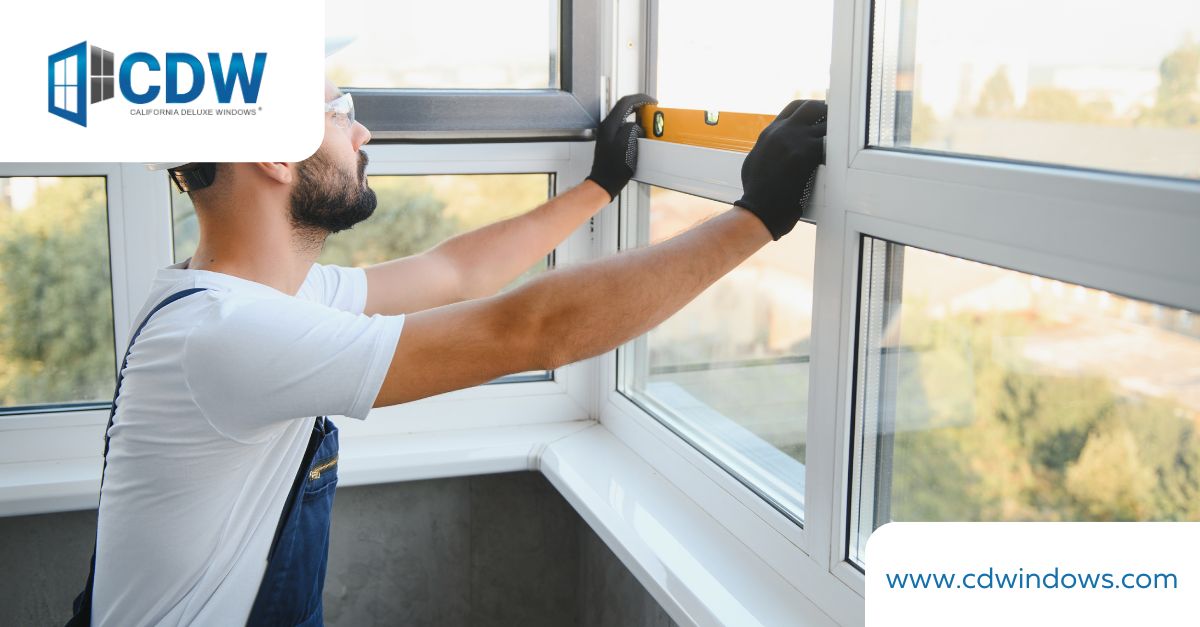
California Deluxe Windows handles end-to-end custom window installation, ensuring each fusion-welded frame is square, plumb, and sealed tightly against existing wall framing to eradicate cold perimeters.
Preventing Condensation Build-Up and Pane Frost with Warm-Edge Spacers
When warm, humid indoor air hits a freezing window surface during cold spells, atmospheric moisture condenses along the bottom edge of the glass. Over time, this recurring dampness cascades onto window sills, warping wood trim, destroying drywall, and encouraging toxic mold growth inside wall cavities.
Technical Note on Thermal Bridging: Traditional windows use conductive aluminum spacer bars to hold double-pane glass sheets apart. Aluminum acts as a cold bridge, drawing heat away from the perimeter edges of the glass and creating localized cold spots where condensation instantly forms.
Advanced Moisture Control Mechanics
- Composite Warm-Edge Spacer Technology: Replaces metal spacers with non-conductive structural foam or stainless steel composite barriers, raising edge-of-glass temperatures by up to 12°F.
- Inert Argon Gas Insulation: Denser than atmospheric air, argon gas fills the sealed inter-pane cavity, slowing down internal convective air currents and enhancing total U-factor ratings.
- California Title 24 Compliance: Exceeds rigorous state energy codes, ensuring window U-factors stay below mandatory regional thresholds (e.g., U-factor ≤ 0.30 in California Climate Zones 1–16).
By managing in-house custom manufacturing, California Deluxe Windows exercises total quality control over warm-edge spacer placement, dual-seal silicone application, and automated argon fill verification.
Enhancing Structural Integrity and Regional All-Season Security
Winter weather in California encompasses more than low temperatures; Pacific winter storms bring severe wind gusts, heavy atmospheric-river rains, and rapid barometric pressure drops. Replacement windows must maintain structural rigidity under extreme storm conditions without compromising thermal performance.
Because California Deluxe Windows manufactures its custom products locally, every window formula is optimized to resist local atmospheric conditions—from corrosive salt air in coastal regions like Malibu to intense winter UV exposure in inland valleys like Riverside.
Reducing HVAC Strain and Long-Term Energy Expenditures
Operating an overloaded furnace or heat pump throughout the winter accelerates mechanical wear, raises utility bills, and shortens equipment life. Installing high-efficiency replacement windows fundamentally shrinks residential heating loads.
- Lowered Peak Heating Load: Homes retain thermal energy far longer, permitting furnaces to run on lower, more efficient operating stages.
- Extended HVAC System Lifespan: Reducing daily operational hours limits wear on heat pump compressors, furnace blower motors, and heat exchangers.
- Elimination of Cold Perimeter Zones: Balanced surface temperatures eliminate drafty spots in perimeter rooms, upstairs bedrooms, and north-facing additions.
- Direct Factory-to-Home Savings: Eliminating middleman markups allows homeowners to invest directly in premium window engineering for maximum long-term return on investment (ROI).
Optimizing Solar Heat Gain for Seasonal Thermal Balance
True winter efficiency requires balancing insulation with passive solar heating. Spectrally selective glass coatings harness free solar energy during crisp, sunny daytime hours without creating severe summer heat traps.
What is Solar Heat Gain Coefficient (SHGC) and why does it matter for winter windows?
Solar Heat Gain Coefficient (SHGC) measures the fraction of solar radiation transmitted through a window, expressed as a number between 0 and 1. For California homes, optimizing SHGC involves selecting spectrally selective Low-E coatings (typically 0.23–0.30) that permit warm, natural sunlight to passively heat indoor spaces during crisp winter days while blocking harmful ultraviolet (UV) rays. Combined with low U-factors, optimized SHGC ensures windows trap this passive heat inside at night, maximizing year-round thermal balance.
Benefits of Spectrally Selective Coatings
- Passive Daytime Warmth: South-facing glass elevations absorb beneficial short-wave solar light to naturally warm interior floors and walls.
- Nighttime Trapping: Low-E coatings prevent that trapped short-wave heat from converting into long-wave radiant heat and escaping back out through the glass after sunset.
- 95%+ UV Radiation Blockade: Prevents high-energy ultraviolet wavelengths from fading interior hardwood flooring, custom draperies, and furniture upholstery.
- Elevation-Specific Tuning: Window coatings can be specified by elevation—maximizing heat gain on sunny exposures while emphasizing maximum insulation on shaded north walls.
Architectural Versatility and Window Operating Styles
Upgrading thermal efficiency does not mean compromising on architectural integrity or aesthetic style. Custom replacement window configurations adapt to any California architectural design, from Spanish Colonial Revival in Santa Barbara to Mid-Century Modern in Palm Springs.
California Deluxe Windows provides custom frame extrusions and grid profiles, matching original architectural aesthetics while elevating energy efficiency.
Ensuring Peak Performance with Precision Factory-Trained Installation
Even the highest-performing Low-E double-pane glass assembly will fail if perimeter framing is installed incorrectly. Flawless installation creates an airtight, watertight structural envelope around every rough opening.

- Laser-Accurate Pre-Installation Measurements: Custom manufacturing guarantees units fit exact rough openings without wide gaps requiring excess shims.
- Integrated Perimeter Flashing Systems: Self-adhered membranes and exterior flashing prevent driving rain from seeping into wall framing behind siding or stucco.
- Low-Expansion Polyurethane Insulation Foam: Specialized closed-cell expanding foam fills the cavity between the new window frame and existing wall studs, stopping hidden air convection channels.
- Factory-Trained Installation Crew Execution: Eliminating third-party sub-contractors ensures that factory-engineered products are installed strictly according to strict manufacturer specifications and regional building codes.
Winter Replacement Windows FAQs
How much can homeowners save on heating bills by replacing old windows?
Replacing single-pane or clear double-pane windows with high-efficiency Low-E argon-filled replacement windows can lower annual heating and cooling expenses by 12% to 15%, according to US Department of Energy estimates. In regions with fluctuating winter temperatures, such as the San Fernando Valley, Pasadena, or San Jose, this thermal upgrade translates into hundreds of dollars in annual utility savings while extending the operating life of central heating systems.
What causes window condensation in winter, and how do warm-edge spacers solve it?
Winter window condensation occurs when warm, humid indoor heat contacts a freezing glass surface, dropping the air temperature at the perimeter below its dew point. Standard aluminum spacers conduct outdoor cold directly to the edge of the glass, causing water droplets to pool along the sash. Composite warm-edge spacers use non-conductive materials to raise edge-of-glass temperatures by up to 12°F, preventing moisture accumulation and protecting wood trim and wall cavities from destructive mold growth.
What is the difference between U-Factor and Solar Heat Gain Coefficient (SHGC)?
U-Factor measures the rate of non-solar heat transfer through a window assembly; a lower U-Factor indicates superior insulation against winter cold (e.g., U-factors of 0.24 or lower). Solar Heat Gain Coefficient (SHGC) measures how much passive solar heat enters through the glass on a scale from 0 to 1. In winter, an optimized SHGC allows beneficial daytime sunlight to help heat living spaces while low U-Factors retain that energy overnight.
Why are fusion-welded vinyl frames superior to traditional aluminum or wood frames in winter?
Legacy aluminum frames conduct cold directly into the home, creating cold metal surfaces and severe draft lines. Wood frames can warp, swell, or rot when exposed to winter rain and humidity. Fusion-welded uPVC vinyl frames melt frame corners into a continuous, seamless structural unit that will not pull apart, shrink, or contract during sudden temperature drops, providing superior thermal resistance and airtight structural integrity.
Are replacement windows compliant with California Title 24 energy efficiency requirements?
Yes. Modern high-performance replacement windows engineered with dual-pane Low-E glass coatings, warm-edge spacers, and argon gas fills easily meet or exceed California Title 24 Building Energy Efficiency Standards. Title 24 mandates specific maximum U-Factor and SHGC ratings across all California climate zones to minimize residential energy consumption.
How does factory-direct manufacturing improve window replacement performance?
Factory-direct manufacturing eliminates third-party distributors and middleman markups, allowing homeowners to invest directly in superior material quality—such as thicker glass panes, advanced Low-E metallic coatings, argon gas fills, and multi-chambered vinyl extrusions. Furthermore, factory-direct installation ensures that the same company that engineers the window installs it, guaranteeing complete alignment with design specifications and maximum energy savings.