

What should homeowners look for when buying replacement windows in Los Angeles?
When selecting replacement windows in Los Angeles, homeowners must prioritize California Title 24 energy compliance (SHGC ≤ 0.23, U-factor ≤ 0.30), Sound Transmission Class (STC) acoustic dampening (STC 35+), and stucco flush-fin (Z-bar) custom retrofit installation.
Because Greater Los Angeles experiences severe sun exposure and dense urban traffic noise, high-performance uPVC vinyl frames equipped with dual-pane spectrally selective Low-E 366 glass and argon gas fills provide maximum heat deflection, cut cooling bills by 15% to 30%, and block up to 75% of exterior noise without requiring destructive wall alteration.
Standard Windows vs. California Climate-Optimized Windows
| Window Specification / Feature | Standard Off-the-Shelf Replacement Windows | California Deluxe Custom uPVC Windows (CDW) |
| Solar Heat Gain (SHGC) | High (0.35–0.50); allows intense solar heat gain | Ultra-Low (SHGC ≤ 0.21); blocks up to 80% infrared solar heat |
| Title 24 Compliance | Generic national ratings; frequently fails local inspections | 100% Certified CEC Title 24 Compliant (Climate Zones 6–14) |
| Acoustic Performance | STC 26–28 (basic dual pane; leaks street noise) | STC 35 to 45 (asymmetrical soundproof glass options) |
| Frame Material & Stability | Standard vinyl or aluminum (warps or conducts heat in 100°F+) | Heat-stabilized uPVC(zero warping or chalking) |
| Manufacturing & Fitment | Mass-produced stock sizes; relies on foam/shims | Custom-manufactured to the exact millimeter of wall openings |
| Installation Method | Standard box frame; risks cracking exterior stucco | Precision Stucco Flush-Fin (Z-Bar) retrofit (zero wall damage) |
| Warranty Coverage | Limited 10-year prorated warranty | Full Lifetime Transferable Warranty (glass, frame, seals, & labor) |
Replacement Windows in Los Angeles Factors: High Energy Efficiency & Solar Control (Title 24 & Low SHGC)
Los Angeles homes endure intense year-round sunshine. Windows without proper thermal barriers allow solar radiation to pass through the glass, transforming interior living spaces into thermal batteries and forcing air conditioning units to run continuously during peak billing hours.
What to Look For:
- Solar Heat Gain Coefficient (SHGC): Measures how much radiant solar heat enters your home on a scale from 0 to 1. In Southern California, select a window with an SHGC of 0.23 or lower to stop heat transfer before it enters your home.
- U-Factor (Thermal Conduction): Measures how well the window resists non-solar heat flow. Look for a U-factor of 0.30 or lower to satisfy California Title 24 Energy Efficiency Code requirements.
- Spectrally Selective Low-E Glass: Microscopic metallic silver coatings reflect near-infrared solar heat outward while allowing visible natural light to illuminate interior rooms without glare.
Acoustic Performance & Urban Street Noise Reduction
Whether your residence sits near a busy Los Angeles freeway (such as the 405, 101, or 10), along an arterial city corridor, or beneath a commercial flight path, urban noise pollution degrades daily indoor comfort and sleep quality.
What to Look For:
Standard double-pane windows with identical glass thicknesses offer minimal sound attenuation because sound waves pass through matching glass panes at the same frequency. True acoustic dampening requires:
- Asymmetrical Dual-Pane Glass: Combining two glass panes of different thicknesses (e.g., one 3mm pane and one 5mm pane) disrupts varying sound wave frequencies.
- Laminated PVB Interlayers: Sandwiching a clear Polyvinyl Butyral (PVB) acoustic interlayer between glass sheets dampens low-frequency rumble from heavy traffic and aircraft.
- High STC Ratings: Sound Transmission Class (STC) measures noise reduction. Standard single-pane glass rates at STC 26, while high-performance acoustic glass achieves STC 35 to 45, cutting perceived outdoor noise by up to 75%.
The CDW Advantage:
CDW manufactures specialized soundproof glass packages engineered specifically to muffle heavy urban noise. Our multi-chambered vinyl profiles combine asymmetrical glass configurations with airtight compression seals, transforming busy urban homes into quiet indoor sanctuaries.
Comparing Window Frame Materials for Southern California
Selecting the proper frame material is crucial for long-term durability in a climate characterized by intense UV radiation, seasonal thermal swings, and coastal salt air.
Window Frame Material Performance Matrix
| Material Type | Thermal Insulation | UV & Climate Durability | Maintenance Required | Overall Longevity & Value |
| High-Grade uPVC Vinyl | Superior (Non-conductive multi-chambered frame) | Maximum (Formulated to prevent yellowing) | Zero (Requires no painting or staining) | Highest Value (Ideal for Southern California homes) |
| Standard Aluminum | Poor (Highly conductive; transfers outdoor heat inside) | High structural strength; prone to coastal oxidation | Low (Paints can chip or oxidize) | Low Value (Fails modern energy efficiency codes) |
| Natural Wood | High (Good natural insulator) | Poor (Warps, cracks, and rots under intense LA sun) | Extreme (Requires regular painting/sealing every 3 years) | High Initial Cost (High ongoing maintenance) |
| Fiberglass | High (Good structural stability) | High durability against temperature swings | Low | High Cost (Expensive alternative to custom vinyl) |
What to Look For:
Choose unplasticized polyvinyl chloride (uPVC) vinyl extrusions fortified with Titanium Dioxide. Unlike standard vinyl that warps or chalks under continuous heat, or aluminum that conducts heat directly into the living room, uPVC acts as a non-conductive thermal break that resists cracking, fading, and peeling.
Custom In-House Manufacturing vs. Off-the-Shelf Stock Sizing
Many window contractors act as middlemen, purchasing pre-made, stock-sized windows from third-party distributors. During installation, they force these standard boxes into unique wall openings using wood shims, thick caulk lines, or expanding foam.
What to Look For:
- Millimeter-Exact Custom Fabrication: Every window should be manufactured to the exact height, width, and depth of your home’s existing wall openings.
- Stucco Flush-Fin (Z-Bar) Retrofit Engineering: In California stucco homes, specialized flush-fin frames slide over existing aluminum frames without requiring contractors to break, chip, or cut exterior plaster.
- Fusion-Welded Monolithic Corners: Frame joints should be fused at high temperatures to form a single solid piece, preventing corner joint separation and air leakage.
The CDW Advantage:
California Deluxe Windows operates a local, state-of-the-art manufacturing facility in Los Angeles. We manage the entire lifecycle. We control all aspect of making our custom windows, from digital laser measurement and custom fabrication to factory-direct installation. Removing third-party brokers guarantees absolute quality control, faster turnarounds, and direct accountability.
Advanced Security Features & Impact Resistance
Windows serve as a primary entry point for residential security. Modern replacement windows must combine structural frame integrity with advanced locking hardware to safeguard your family.
What to Look For:
- Multi-Point Locking Systems: Steel locking hooks that engage at multiple points along the frame simultaneously when the sash handle is turned.
- Shatter-Resistant Tempered & Laminated Glass: Heat-treated or PVB-laminated glass that resists blunt physical impacts and forced entry attempts.
- Heavy-Duty Hardware Balances: Smooth stainless steel balance systems that permit easy internal operation for emergency egress while remaining immovable from the exterior.
The CDW Advantage:
CDW replacement windows incorporate heavy-duty multi-point security hardware and fusion-welded internal frame reinforcement. Our windows deliver high forced-entry resistance while maintaining smooth, effortless opening mechanics from the inside.
The 12-Step Factory-Direct Installation Protocol
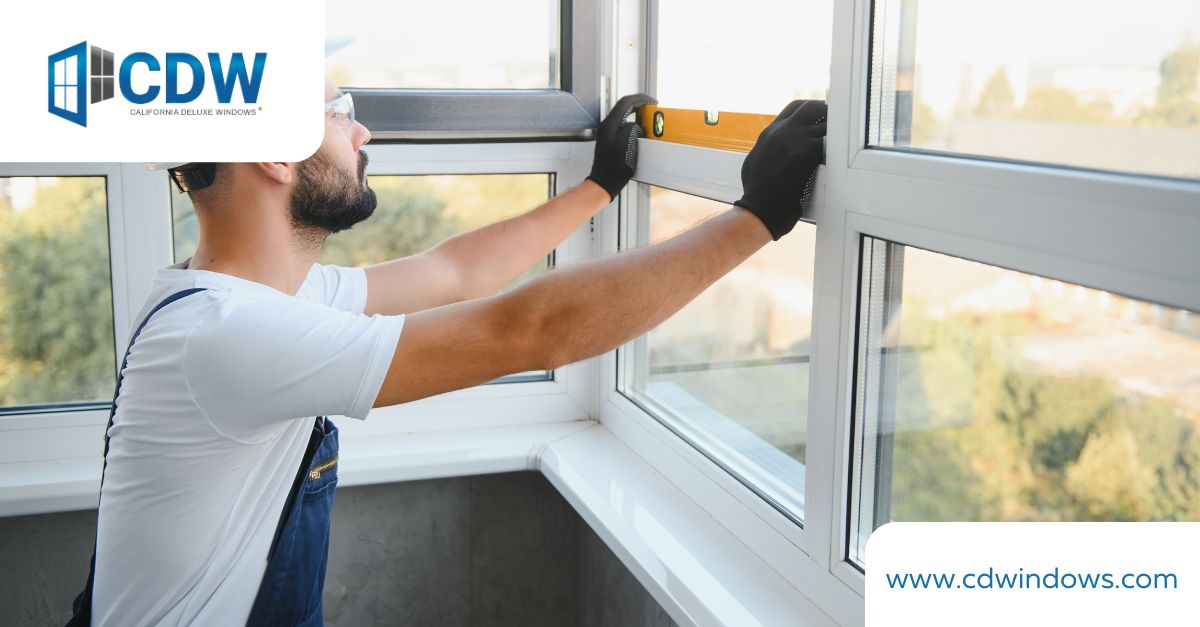
High-performance glass and custom frames will fail if installed incorrectly. Proper custom window installation requires adherence to strict weatherization standards:
- Site Measurement: Captures exact structural dimensions prior to fabrication.
- In-House CAD Manufacturing: Custom-builds vinyl frames and dual-pane glass units locally.
- Property Protection Prep: Shields interior flooring, furniture, landscaping, and exterior hardscaping.
- Careful Removal of Old Sashes: Extracts aging aluminum or single-pane sashes without disturbing surrounding drywall or exterior stucco.
- Structural Inspection & Prep: Inspects rough openings for hidden rot, pest damage, or structural settling.
- Stucco Flush-Fin Integration: Positions custom Z-bar vinyl frames cleanly over existing openings.
- Perimeter Flashing & Sealing: Applies high-grade elastomeric sealants to create an airtight, moisture-proof barrier.
- Anchoring & Frame Alignment: Secures frames directly into wall studs using heavy-duty fasteners.
- Glass & Sash Tuning: Adjusts sash balances and multi-point locks for effortless daily operation.
- Perimeter Caulking & Detailing: Seals exterior flush fins with color-matched, UV-resistant siliconized sealants.
- Site Cleanup & Debris Removal: Cleans the workspace and hauls away old window materials.
- Final Client Quality Walkthrough: Demonstrates lock operation, verifies glass clarity, and issues official factory warranty paperwork.
Frequently Asked Questions About Replacement Windows in Los Angeles
Q: How much do replacement windows cost in Los Angeles?
A: The cost of replacement windows in Los Angeles typically ranges from $600 to $2,500 per window including professional installation. Total pricing depends on window size, glass package specs (such as Low-E 366 or acoustic laminated glass), custom frame geometries, and structural opening conditions. High-efficiency custom vinyl windows sit on the higher end of the range but yield long-term energy bill savings of 15% to 30%.
Q: What are the best window frame materials for Southern California homes?
A: High-grade uPVC vinyl is widely considered the best frame material for Southern California. Unlike wood, uPVC vinyl will not warp, rot, crack, or peel under intense sun exposure. Unlike standard aluminum, vinyl is non-conductive and does not transfer outdoor heat into the home.
Q: What Title 24 energy ratings are required for windows in Los Angeles?
A: Under California Title 24 Energy Efficiency Standards (Climate Zones 6 through 9/14), residential replacement windows must generally achieve a U-factor of 0.30 or lower and a Solar Heat Gain Coefficient (SHGC) of 0.23 or lower.
Q: Why choose custom-manufactured windows over standard stock sizes?
A: Custom-manufactured windows are built to the exact millimeter of your home’s structural openings. In California stucco homes, custom retrofit windows utilize flush-fin (Z-bar) technology that slides over existing openings, eliminating installation drafts, water leaks, and the need to break or repair exterior stucco.
Q: What warranty should I expect on new replacement windows?
A: Homeowners should look for a comprehensive Lifetime Transferable Warranty backed directly by the manufacturer. The warranty should cover vinyl frame extrusions, insulated glass unit seals against fogging, mechanical hardware, and professional installation labor of our replacement windows in Los Angeles.