


Ventura homeowners see condensation more often than they should, especially in coastal neighborhoods where marine air meets warmer interiors. As a custom window company Ventura residents trust for locally built vinyl windows, we see firsthand how seal quality determines whether moisture stays outside or becomes a daily frustration.
With updated energy standards taking effect in 2026, now is the right time to look closely at how modern custom windows prevent condensation and protect comfort year-round.
We design, build, and install our vinyl windows in California, giving us full control over seal performance from start to finish. That control matters in a climate like Ventura’s, where foggy mornings, salty air, and shifting temperatures put extra pressure on window systems.
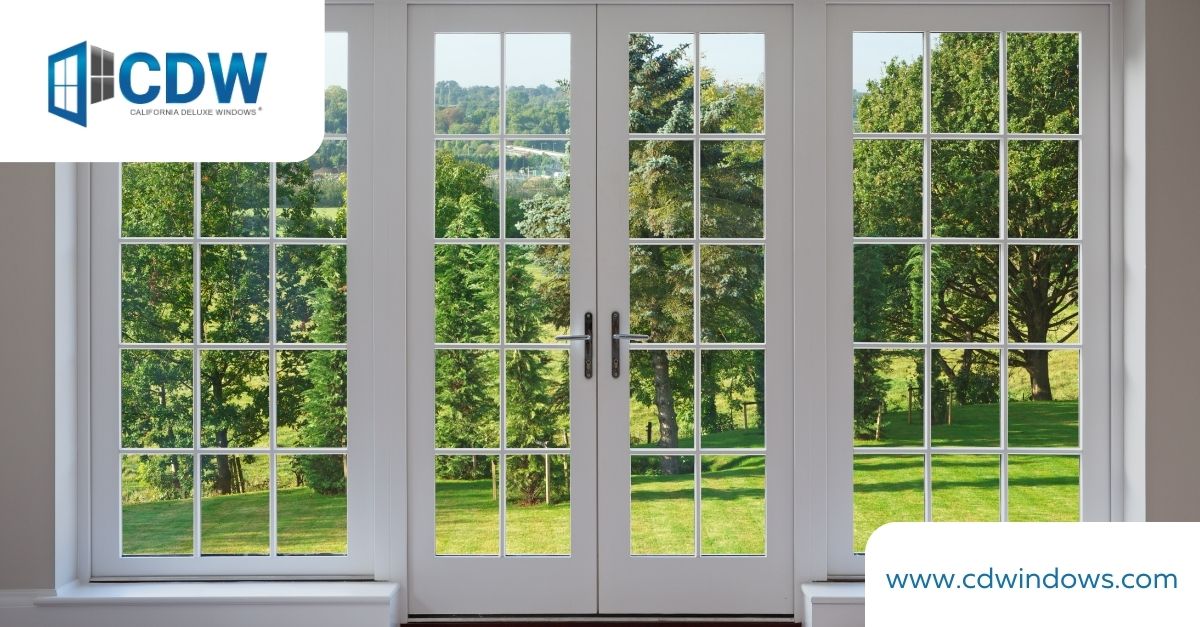
The 2026 Title 24 compliance alert for Ventura homes
California’s Energy Code continues to evolve, and the 2026 update raises expectations for replacement windows across the state. These changes are based on documented research from the California Energy Commission and the U.S. Department of Energy, both of which link improved window performance to lower energy use and reduced moisture issues.
Ventura falls within California’s coastal climate zone, where humidity and moderate temperature swings can expose weaknesses in outdated window seals. Condensation is often caused by thermal bridging, when exterior cool air travels through poorly insulated window components and meets warm indoor air.
Our role as a custom window company Ventura homeowners rely on is to manufacture vinyl windows that meet these updated U-Factor and Solar Heat Gain Coefficient requirements while addressing condensation at its source.
Internal, external, and between-the-pane condensation explained
Not all moisture on glass means something is wrong. Knowing the difference helps homeowners decide when action is needed.
Moisture on the exterior glass
External condensation often appears as a light layer of dew during early morning hours. In coastal Ventura, this usually means the window is doing its job by keeping indoor heat inside. High-performance glass reduces heat transfer, allowing outside moisture to settle temporarily on the exterior surface.
Moisture on the interior glass
Condensation forming on the inside surface is a sign that indoor humidity is too high or that window seals are no longer performing properly. Kitchens, bathrooms, and laundry areas tend to reveal these issues first.
Fog or droplets between panes
Moisture trapped between panes points to seal failure. Once insulating gas escapes, the window loses efficiency and clarity. This is one of the most common reasons Ventura homeowners contact our custom window company in Ventura. Our windows make sure you don’t have to worry about droplets getting between your panes and causing problems.
The 2026 custom seal checklist our professionals use
When evaluating windows for condensation resistance, we focus on specific construction details that align with updated energy codes and coastal conditions.
Our inspections often include:
- Spacer systems designed to reduce heat transfer along the glass edge
- Glass coatings that reflect interior heat back into the home
- Gas-filled insulated glass units that maintain consistent performance
- Welded vinyl frame corners that resist air and moisture intrusion
These elements work together to limit temperature differences that cause condensation to form.
Warm-edge spacer systems built for coastal climates
Older windows often rely on aluminum spacers that conduct cold directly into the home. Modern vinyl windows use advanced spacer designs that keep the glass perimeter warmer, which reduces condensation along edges where moisture typically appears first.
Low-E glass coatings suited for 2026 standards
Low-emissivity coatings have evolved, and newer surface applications are now standard for coastal California. When these coatings remain intact, they help stabilize interior glass temperatures and reduce moisture buildup during cooler mornings.
Insulating gas retention
Argon or krypton gas between panes slows heat transfer. When seals fail and gas escapes, condensation often follows. Our manufacturing process focuses on long-term gas retention to maintain performance over time.
Ventura’s salt air factor and seal longevity
Salt carried in ocean air accelerates corrosion and material fatigue. Over time, this can compromise window seals, especially in products not designed for coastal exposure.
Vinyl frames with welded corners perform well in these conditions because they:
- Resist corrosion caused by salt air
- Expand and contract less dramatically than other materials
- Maintain consistent pressure on seals over changing temperatures
At our Ventura custom window company, we focus on vinyl construction that supports long seal life without added maintenance.
How local installation practices protect window seals
Even the best window design can fail if it is not properly installed. Installation practices influence how well a window resists air leakage, moisture intrusion, and condensation over time.
Our crews follow California-specific installation standards that account for:
- Proper flashing and water management
- Accurate opening measurements to avoid frame stress
- Secure placement that preserves welded corners and seals
Because we handle installation ourselves, we maintain accountability from the factory floor to the finished opening.
Manufacturing control and condensation prevention
Condensation resistance begins long before a window reaches your home. Manufacturing precision plays a critical role in seal consistency, glass alignment, and gas retention.
By building our vinyl windows locally, we can:
- Monitor seal application during assembly
- Verify insulated glass unit performance before delivery
- Customize features like grid patterns without compromising energy efficiency
This level of control helps ensure that each window meets Ventura’s climate demands and 2026 energy requirements.
What homeowners notice after upgrading custom vinyl windows
After replacing older windows, many Ventura homeowners report noticeable changes supported by energy efficiency research from national and state agencies.
Common feedback includes:
- Reduced interior condensation during cooler months
- More consistent indoor temperatures near windows
- Less reliance on heating and cooling systems
- Improved comfort in coastal-facing rooms
These outcomes are frequently reflected in homeowner reviews, especially for properties close to the shoreline.
Working with a custom window company Ventura homeowners rely on
Choosing a provider that both builds and installs custom vinyl windows gives homeowners a single point of responsibility for performance. The services at our Ventura custom window company are designed to meet local energy codes, address coastal challenges, and reduce condensation through thoughtful design and execution.
We focus on:
- Custom vinyl window manufacturing tailored to each opening
- Professional installation by our trained teams
- Window solutions aligned with 2026 Title 24 requirements
By combining local knowledge with modern window technology, we help Ventura homeowners keep condensation out while improving comfort and efficiency throughout the home.