

Yes. When you choose California replacement windows that meet Energy Star criteria for your specific climate zone, you’re positioning your home to take advantage of both immediate tax savings and future financial benefits.
Energy Star–qualified California replacement windows can help with your taxes, and when selected and installed correctly, they can also support long-term home value and code compliance.
With the federal Energy Efficient Home Improvement Credit, homeowners may claim a tax credit for qualifying window upgrades, and in California, those benefits can stack with state requirements and local incentives.
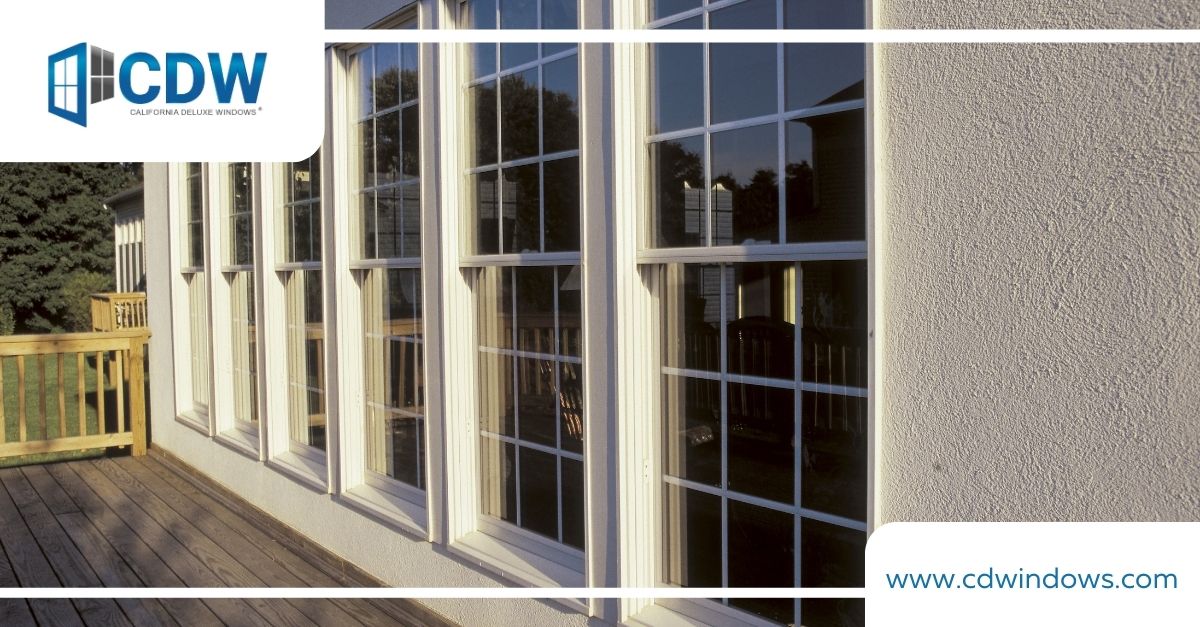
California Replacement Windows
Can Energy Star windows really qualify for a federal tax credit?
They can, as long as the windows meet specific performance standards set by the IRS and the Energy Star program. The credit most homeowners reference is the Energy Efficient Home Improvement Credit under Internal Revenue Code Section 25C.
This credit allows eligible homeowners to claim a percentage of the cost of qualifying improvements made to a primary residence in the United States. Windows are included, but only when they meet the correct Energy Star certification for the applicable region.
We design and manufacture our vinyl windows to meet California-specific requirements, which helps eligibility when homeowners file their taxes.
What is the Energy Efficient Home Improvement Credit in plain terms?
It’s a federal tax credit that rewards homeowners for making energy-efficient upgrades to their homes.
Here’s how it applies to window replacement projects:
- The credit equals 30% of the cost of qualifying windows
- There is an annual cap of $600 for windows
- The credit applies to the cost of the product itself
- The windows must meet Energy Star criteria for the correct climate zone
Because we manufacture our windows ourselves, we control performance specifications from the start, which helps align the finished product with federal requirements.
How much can I actually save on my taxes each year?
For California replacement windows, the maximum annual federal tax credit is $600. That means even if your project is larger, the credit will not exceed that amount in a single tax year.
That said, many homeowners still find this worthwhile because:
- The credit directly reduces tax liability, not taxable income
- It can be claimed every year qualifying improvements are made
- It can be combined with other eligible home energy upgrades, each with their own caps
Our role is to help you select window configurations that meet certification requirements so the project qualifies in the first place.
Do all energy-efficient windows qualify for the credit?
No. This is one of the most common points of confusion.
To qualify for the federal tax credit, windows must meet the Energy Star Most Efficient criteria for the specific climate zone where the home is located. A window that qualifies in one part of the country may not qualify in another.
Eligibility depends on factors such as:
- U-factor performance
- Solar heat gain coefficient
- Climate zone designation
California’s zoning system is more granular than most states, which makes precision especially important.
How do California climate zones affect eligibility?
California is divided into 16 climate zones, each with its own performance benchmarks. These zones influence which Energy Star criteria apply.
Rather than using off-the-shelf products, we custom-engineer our vinyl windows to exceed the requirements for the zone where your home is located. That approach helps homeowners avoid installing windows that fail to qualify for tax credits due to regional mismatches.
This attention to zone-specific performance is especially relevant for homeowners investing in California replacement windows who want both compliance and financial incentives.
How do I prove my windows qualify when filing taxes?
Homeowners are responsible for maintaining documentation in case of an IRS inquiry. While documentation is not submitted with the return, it should be kept on file.
Recommended records include:
- Manufacturer certification statements
- Itemized invoices showing product costs
- Proof of payment
- Product specifications indicating Energy Star qualification
Because we manufacture our own windows, we can provide clear certification information that aligns with federal requirements.
Is there another tax benefit when I sell my home?
Yes. In addition to the federal energy credit, new windows may also affect your home’s cost basis.
Window replacement is generally considered a capital improvement. That means the cost of the project can be added to your home’s basis, which may reduce capital gains taxes when you sell.
How does increasing my home’s basis help with capital gains?
When you sell a home, capital gains tax is calculated based on the difference between the sale price and the adjusted basis of the property.
Capital improvements can increase that basis, which may:
- Reduce taxable gains
- Lower overall tax liability at sale
- Improve after-tax proceeds from the transaction
While tax outcomes vary, many homeowners keep records of major improvements like window replacement for this reason.
Are there rebates beyond federal tax credits?
Often, yes. Many California utilities offer incentive programs designed to encourage energy-efficient upgrades.
Depending on location and availability, homeowners may find rebates through:
- PG&E programs
- Southern California Edison initiatives
- SoCalGas efficiency incentives
These rebates change frequently, but they are often tied to window performance metrics that overlap with Energy Star and Title 24 standards.
How does Title 24 factor into window replacement?
Title 24 is California’s building energy code, and it sets mandatory performance standards for building components, including windows.
In 2026, these requirements are stricter than in previous years. For homeowners undertaking major renovations, installing compliant windows is not optional—it’s required.
By choosing windows engineered to meet both Energy Star and Title 24 benchmarks, homeowners can align:
- Legal compliance
- Potential tax credits
- Possible utility rebates
This alignment is a key reason many homeowners upgrade to California replacement windows as part of broader remodeling plans.
Does replacing windows help with resale beyond taxes?
While tax benefits are a common motivator, many homeowners also think about resale appeal.
New vinyl windows can support resale by:
- Meeting current building codes
- Demonstrating documented energy upgrades
- Reducing buyer concerns about future replacement costs
Prospective buyers often look favorably on recent improvements, especially when supported by clear records and strong reviews from prior customers.
What types of windows can qualify for tax credits?
Eligibility is based on performance, not style. As long as the window meets Energy Star criteria for the applicable climate zone, it may qualify regardless of configuration.
We manufacture and install a range of vinyl window styles, including:
- Single-hung and double-hung windows
- Sliding windows
- Picture windows
- Garden windows
- Bay windows
Performance ratings matter more than aesthetics when it comes to tax credits, but homeowners don’t have to sacrifice design to meet efficiency standards.
Does professional installation affect tax eligibility?
The tax credit is tied to the qualifying product, not labor. However, proper installation still matters.
Incorrect installation can compromise performance, which may affect real-world efficiency and long-term durability. Our installation process is handled by our own trained teams, ensuring the windows perform as intended once installed.
That consistency is part of how we help homeowners protect both their investment and their eligibility.

Are these credits available for rental properties?
Generally, the federal credit applies to a primary residence. Rental properties typically do not qualify for this specific credit, though other tax deductions may apply.
Homeowners should consult a tax professional to confirm how their specific situation is treated under current IRS rules.
How do we help homeowners navigate California replacement windows and tax benefits?
Our approach combines manufacturing, design, and installation under one roof. That allows us to control performance, documentation, and compliance at every stage.
When homeowners work with us, we help by:
- Designing windows to meet zone-specific Energy Star criteria
- Providing clear product certification information
- Supporting phased replacement strategies
- Ensuring Title 24 compliance for renovations
For homeowners exploring California replacement windows with tax savings in mind, aligning product performance with federal and state standards is the key—and that’s where our services are designed to help.