

Yes—our custom vinyl windows are designed and built to meet 2026 California building code requirements when configured correctly for your home, your permit type, and your climate zone.
We manufacture and install our own vinyl windows, allowing us to tailor U-Factor, SHGC, and glass packages so projects align with current Title 24 standards while keeping the approval process straightforward.
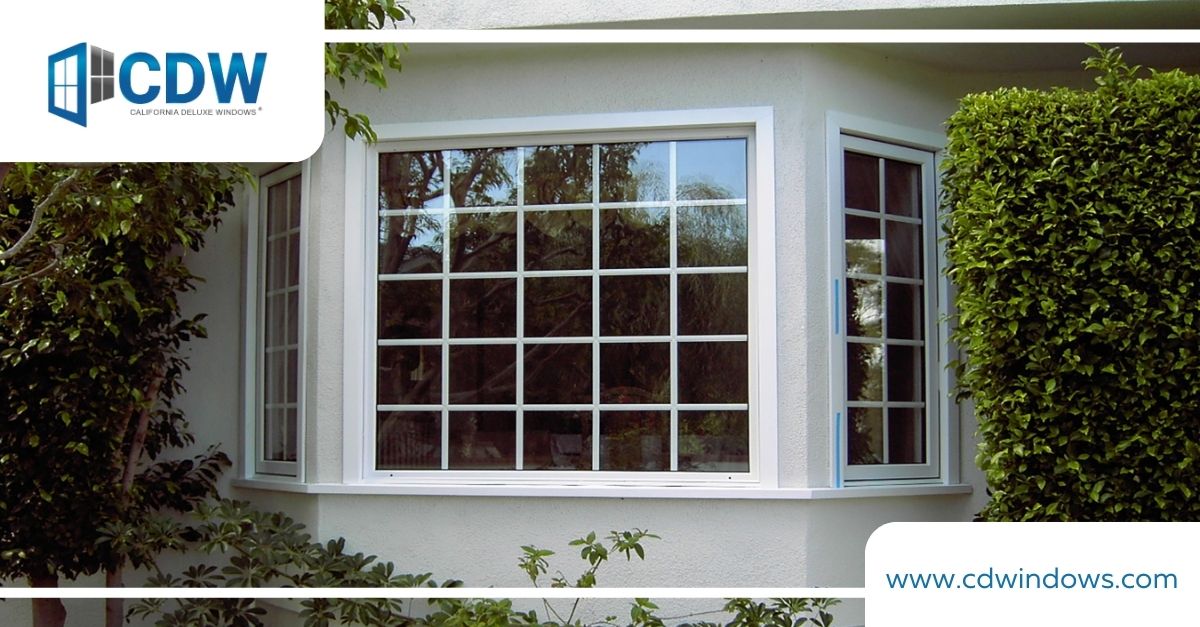
What do the 2026 California building codes require for residential windows?
California’s 2026 energy code updates raise the baseline for window performance across many residential projects. These updates affect replacement work, additions, and permitted alterations.
Why is a U-Factor of 0.30 no longer sufficient in many cases?
For years, 0.30 served as a familiar benchmark. That threshold has shifted.
As of January 2026, many prescriptive residential pathways require windows with a U-Factor as low as 0.24. This adjustment reflects the state’s ongoing push toward lower energy loss through the building envelope.
This shift means:
- Standard off-the-shelf configurations may no longer qualify
- Higher-performance double-pane glass becomes the minimum in many cases
- Specialized glazing options may be required depending on project scope
Because we manufacture our own windows, we design each unit to meet or exceed the applicable U-Factor rather than forcing a home to adapt to a limited product line.
How does this U-Factor change affect real replacement projects?
For homeowners planning permitted work, the lower threshold effectively raises the baseline for compliance.
In practical terms, this often results in:
- Thicker insulated glass units
- Enhanced spacer systems
- Improved frame performance
Our approach focuses on producing custom vinyl windows that satisfy the code at the time of permit submission, rather than relying on outdated performance assumptions.
Do the same window rules apply everywhere in California?
No. California is divided into 16 distinct climate zones, and code compliance depends on where the property is located.
This is why a window configuration that passes in one city may not meet prescriptive requirements in another.
How do coastal and inland zones differ under the code?
While the details vary, performance emphasis generally shifts depending on location.
In broad terms:
- Some coastal zones emphasize reducing heat loss
- Many inland and desert zones strictly limit solar heat gain
This is where SHGC becomes just as important as U-Factor.
We design glass packages to align with the zone assigned to the property rather than relying on one-size-fits-all specifications.
How do we match glass packages to each zone?
Because we manufacture our windows in-house, we can adjust:
- Low-E coatings
- Gas fills
- Pane configurations
This flexibility allows our custom vinyl windows to meet zone-specific requirements without compromising the design preferences of the homeowner.
Does replacing only a few windows trigger full code compliance?
That depends on the total square footage replaced.
California’s energy code includes a threshold that determines when stricter standards apply.
What is the 75 square foot rule for window alterations?
Section 150.2(b) outlines how replacement scope affects compliance obligations.
If a project replaces more than 75 square feet of window area, the new windows must typically meet the current prescriptive standards.
If the total area is less than that threshold:
- Different compliance options may apply
- Existing conditions may factor into approval
Even when not required, many homeowners elect to meet the higher standard to align with future resale expectations.
Why do many homeowners still build to the higher standard?
Meeting the stricter benchmark can help:
- Reduce permit complications during future remodels
- Align the home with current buyer expectations
- Avoid mismatched performance across elevations
Our services allow homeowners to future-proof their projects without replacing more windows than necessary.
Can I use a different compliance path instead of prescriptive values?
Yes. California allows multiple compliance approaches, though not all are equally simple.
What is the difference between the performance method and the prescriptive method?
The prescriptive method requires each component, including windows, to meet specific performance targets.
The performance method allows trade-offs. A home may offset window performance with upgrades elsewhere, such as:
- High-efficiency HVAC systems
- Improved insulation
- Renewable energy features
While this flexibility exists, many homeowners find it adds complexity to plan approval.
Why do most homeowners still choose the prescriptive route?
The prescriptive path tends to be more predictable.
Benefits include:
- Faster plan review
- Clear pass/fail criteria
- Fewer variables during inspection
Our clients often prefer windows that independently meet code rather than relying on system-wide trade-offs.
How do we support homeowners during the permitting process?
Our role includes:
- Providing window performance data
- Aligning product specifications with approved plans
- Coordinating installation timelines to match permit requirements
This consistency helps prevent delays or revisions after approval.
Are all vinyl window styles able to meet 2026 code?
Style alone does not determine compliance. Performance values do.
We manufacture a range of vinyl window styles that can be configured to meet code when specified correctly. These include garden windows, single hung-windows, and many others.
Each style is evaluated based on glass package and frame performance rather than appearance.
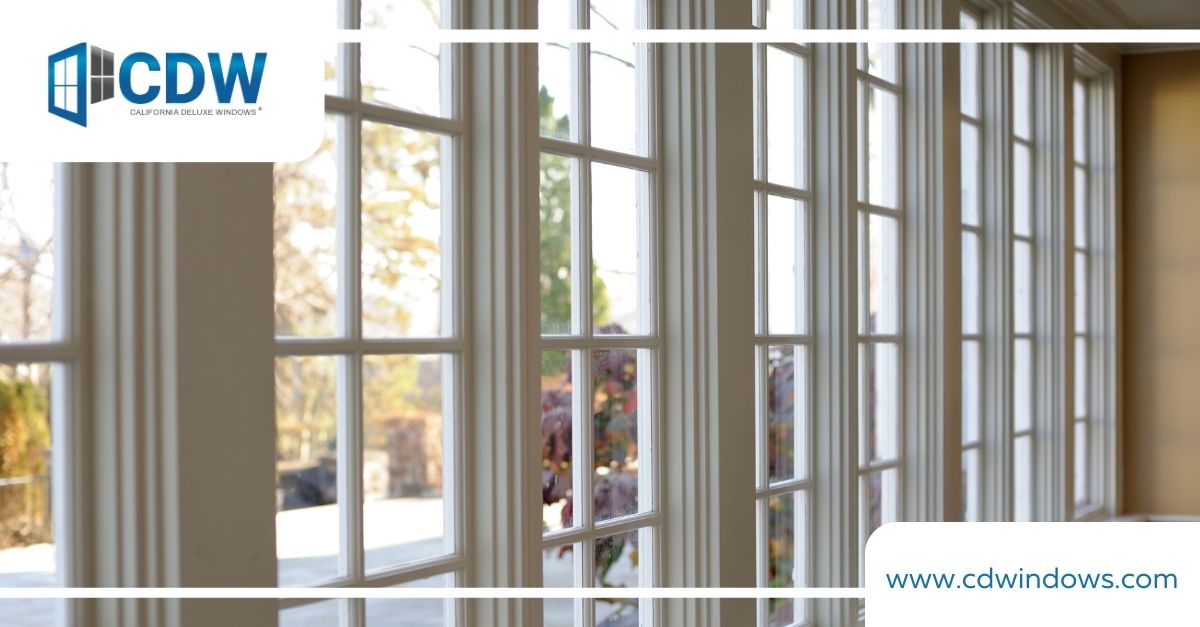
Does professional installation affect code compliance?
Yes, indirectly.
While code approval focuses on product ratings, proper installation ensures the window performs as rated once installed.
Our installation process is handled by our own trained teams, which helps ensure the installed window matches the permitted specifications.
How do homeowners verify their windows meet 2026 standards?
Verification typically comes from:
- Manufacturer performance documentation
- Approved plans on file with the city
- Final inspection sign-off
We provide the documentation needed to support each step of that process.
How does resale factor into code-compliant window choices?
Buyers and inspectors often look for consistency with current standards.
Homes with mismatched or outdated window performance may raise questions during transactions, especially when permits were required.
Choosing custom vinyl windows that align with 2026 standards can help present a clear compliance history supported by permits and documentation.
What role do third-party evaluations and reviews play?
While building departments focus on code metrics, homeowners often consider broader feedback.
Independent reviews (such as those we have from our customers) can offer insight into long-term performance and service consistency, especially when evaluating manufacturers that both build and install their own products.
How do we help homeowners plan for future updates using custom vinyl windows?
We focus on aligning today’s project with tomorrow’s expectations.
That includes:
- Designing windows to current code rather than minimum past thresholds
- Supporting phased replacements that remain consistent over time
- Ensuring documentation stays aligned with permit records
Beyond this, the cleaning and maintenance of these windows is easy, too.
How do our custom vinyl windows align with 2026 requirements and beyond?
Our final goal is to make compliance straightforward.
By manufacturing and installing our own products, we help homeowners meet current standards without guesswork. When properly specified, custom vinyl windows can satisfy 2026 California building codes while supporting long-term flexibility for renovations, resale, and future permitting.